

Understanding the basics of gambling A beginner's guide to getting started
What is Gambling?
Gambling is the act of risking something of value on an outcome that is largely influenced by chance. It encompasses a wide range of activities, including betting on sports, playing card games, and engaging in games of chance like slots. The fundamental element in gambling is the wager, where participants stake money or other valuables in hopes of winning more than they put in. Many enthusiasts turn to resources that provide insights into online pokies to better understand the various options available.
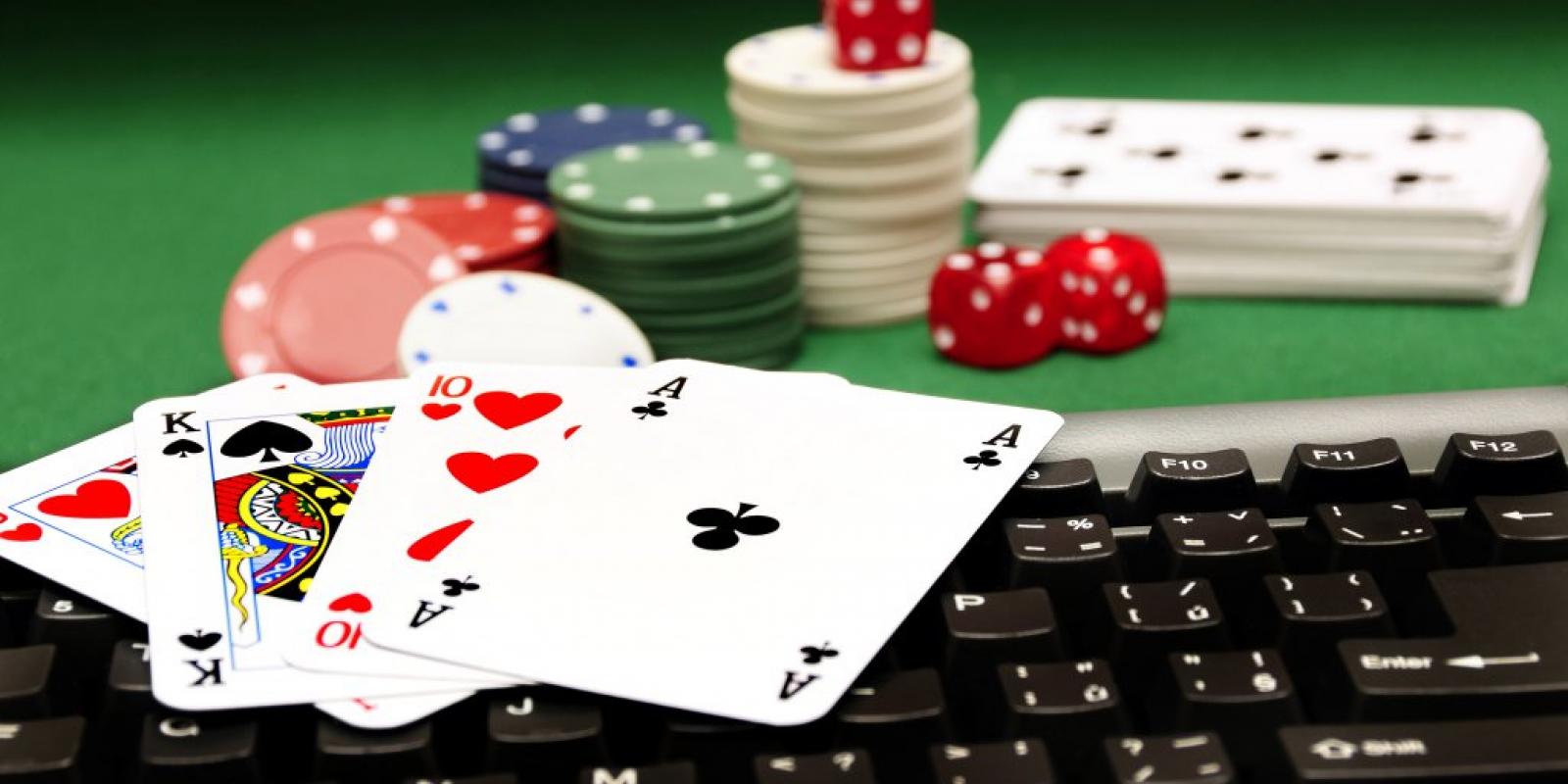
Understanding the various forms of gambling is crucial for beginners. Each type has its own rules, odds, and strategies. For example, casino games are designed with a built-in house edge, while sports betting relies on knowledge of the teams and players involved. Knowing the basics helps new players navigate the gambling landscape more effectively.
Types of Gambling
Gambling can be broadly categorized into two types: games of skill and games of chance. Games of skill, such as poker, require players to employ strategies and make decisions that can affect the outcome. In contrast, games of chance, such as roulette or slots, rely entirely on luck, and players have no control over the results. Understanding these categories is essential for beginners, as they influence the approach and mindset needed for success.
While games of skill may allow for strategies and improved odds through experience, games of chance are unpredictable, which can be both exciting and risky. This unpredictability often draws people into the thrilling world of gambling, where each game has its own unique appeal.
The Importance of Responsible Gambling
Responsible gambling is vital for maintaining a healthy relationship with gaming activities. It involves setting limits on time and money spent on gambling and recognizing the signs of problem gambling. Beginners should always approach gambling as a form of entertainment rather than a way to make money. Establishing personal rules can help manage gambling activities.
This includes budgeting, taking breaks, and knowing when to stop. By prioritizing responsible gambling practices, players can enhance their experience while minimizing the risk of negative consequences associated with excessive gambling.
Understanding Odds and Payouts
Odds are a fundamental aspect of gambling, representing the likelihood of a particular outcome occurring. Understanding odds is crucial for making informed betting decisions. Different types of gambling present different odds formats, including fractional, decimal, and moneyline odds. Grasping these concepts can help players assess risks and potential returns.
Payouts, on the other hand, refer to the money players receive when they win a bet. The payout ratio varies across different games and betting platforms. Familiarizing oneself with the odds and payout structures helps beginners make smarter decisions and increases their enjoyment of the gambling experience.

Exploring Online Gambling Platforms
The rise of technology has transformed the gambling landscape, leading to a surge in online gambling platforms. These platforms offer a variety of games, including slots, table games, and live dealer options, making it easier for players to access their favorite activities from the comfort of their homes. When choosing an online gambling platform, it’s crucial to consider factors such as security, licensing, and customer support.
Beginners should look for reputable websites that offer a safe environment for gambling, ensuring that their personal and financial information is protected. By doing thorough research, new players can find platforms that enhance their overall gaming experience.